Key Points
Lawsuit Filed
- NJOY (Altria subsidiary) and Louisiana retailers filed suit on Aug. 21, 2025, in the Western District of Louisiana.
Defendants Named
- FDA, U.S. Department of Health and Human Services (HHS), FDA Commissioner Martin Makary, HHS Secretary Robert F. Kennedy Jr., Acting CTP Director Bret Koplow.
Case Background
- FDA denied flavored NJOY DAILY PMTAs in June 2022 but approved tobacco and later menthol variants; the appeal has been pending for nearly three years.
Evidence Submitted
- Longitudinal cohort study (3,600+ adults) showing higher switching for flavored products;
- Youth perception studies;
- Strict age-verification and sales restrictions;
- FDA staff assessments supporting NJOY’s data.
Main Allegations
- Inconsistent standards, disregard of evidence, refusal to weigh safeguards, excessive delay, and market imbalance favoring illicit products.
[2Firsts, August 24, 2025] NJOY, LLC, a subsidiary of Altria, together with several Louisiana-based distributors and retailers, filed a lawsuit on August 21 in the U.S. District Court for the Western District of Louisiana, Lafayette Division. The defendants include the U.S. Food and Drug Administration (FDA), the U.S. Department of Health and Human Services (HHS), as well as FDA Commissioner Martin Makary, HHS Secretary Robert F. Kennedy, Jr., and Acting Director of FDA’s Center for Tobacco Products (CTP) Bret Koplow.
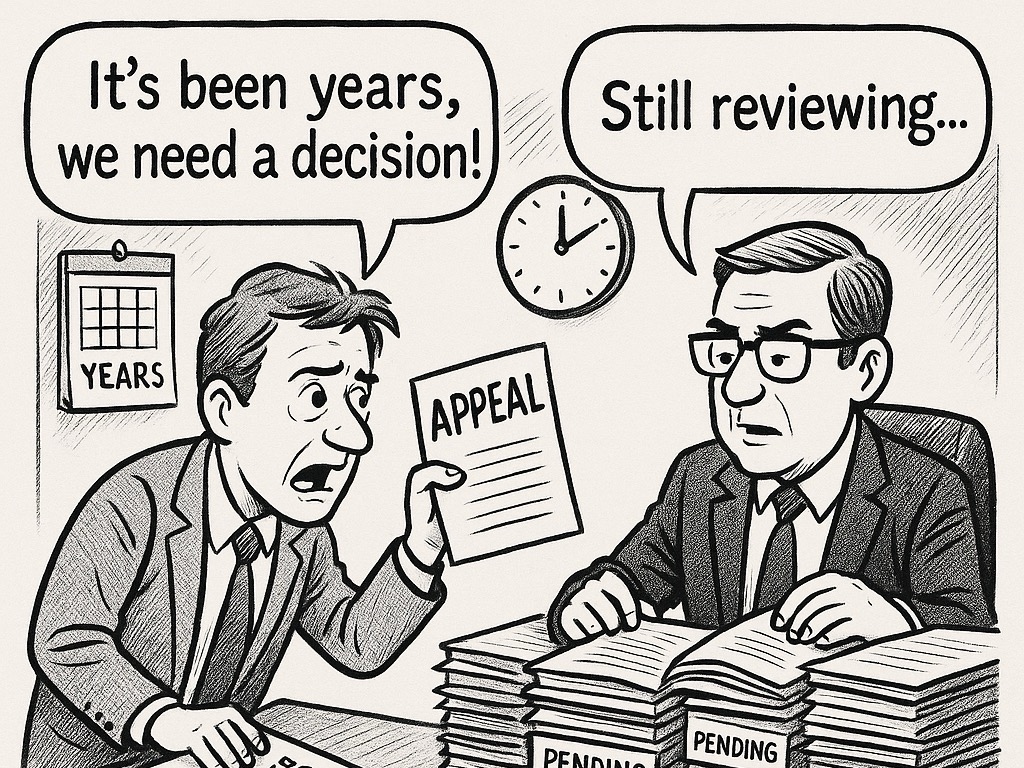
The plaintiffs allege that the FDA has failed to act on NJOY’s supervisory appeal concerning its flavored disposable vape products, leaving the matter unresolved for nearly three years. According to NJOY, this delay has kept lawful products out of the market while illicit flavored disposables have flourished across the United States.
Case Background
In March 2020, NJOY submitted eight PMTAs for NJOY DAILY products, including two tobacco, two menthol, and four flavored variants: Blue + Black Berry 4.5%, EXTRA Blue + Black Berry 6%, Watermelon 4.5%, and Tropical Twist 4.5%.
In June 2022, the FDA granted marketing orders for the tobacco variant (and later for menthol) but denied the flavored applications. NJOY stressed that these products are identical in design and composition to the authorized versions, differing only in flavor. The company filed a supervisory appeal in October 2022, which remains undecided to date.

NJOY’s Evidence
To support its applications and appeal, NJOY submitted a broad package of scientific evidence and market restrictions:
- Longitudinal Cohort Study: Followed over 3,600 adult DAILY users, showing that about one in five achieved complete switching after three months. Flavored variants demonstrated higher switching rates than tobacco and menthol.
- Switching Rate Data: The three flavored variants showed 40–113% higher complete switching at three months and 29–68% higher at six months compared to tobacco/menthol.
- Youth Studies: Among 1,000 adolescents aged 13–17, use of NJOY products showed no statistically significant increase; in a perception survey of 3,000+ teens, overall interest was low with only minor differences between flavors.
- Market Restrictions: NJOY committed to selling only through licensed retailers, enforcing strict online and offline age-verification, and implementing additional sales and reporting limits.
- Internal FDA Documents: Obtained via FOIA, internal assessments from FDA’s Office of Health Communication and epidemiology staff concluded that NJOY’s restrictions exceeded prior benchmarks and that flavored variants were associated with higher switching rates.
NJOY’s Main Allegations Against FDA
According to the complaint, NJOY argues that FDA’s handling of its applications and appeal is flawed in several key respects:
- Inconsistent Standards: Tobacco and menthol products were authorized, while compositionally identical flavored products were denied.
- Disregard of Evidence: FDA failed to give due weight to NJOY’s longitudinal data and youth-specific studies.
- Rejection of Safeguards: NJOY’s stringent marketing and age-verification measures were not meaningfully considered.
- Procedural Delay: The supervisory appeal has been pending since October 2022, effectively creating a “de facto flavor ban.”
- Market Imbalance: Lawful products remain sidelined, while illicit flavored disposables dominate U.S. retail.
NJOY also underscored the severe imbalance in timing. Under the Family Smoking Prevention and Tobacco Control Act, FDA is expected to act on PMTAs within 180 days. Instead, NJOY’s flavored applications were denied only after 802 days—4.5 times the statutory period. Even more striking, its supervisory appeal has now been pending for 1,003 days, or 5.6 times longer than the statutory timeframe. NJOY contends that a review based on the existing record, typically involving only internal coordination and administrative file review, should not take longer than the initial PMTA assessment.
NJOY–FDA Key Timeline of Interactions
- 2020-03-30: NJOY submits eight DAILY PMTAs, including four flavored variants.
- 2020-12-17: FDA issues deficiency letter, asking for stronger evidence on flavored variants.
- 2021-03-04: NJOY responds, providing six-month longitudinal data.
- 2022-06-10: FDA issues MDOs for flavored products; grants MGO for tobacco variant.
- 2022-10-17: NJOY files supervisory appeal.
- 2022-11-07: Then-CTP Director Brian King accepts the appeal and delegates to Shawn Fultz.
- 2023-01-11: NJOY holds virtual meeting with FDA/CTP; no substantive outcome.
- 2024-01-17, 2025-04-22, 2025-07-30: NJOY sends three follow-up letters urging resolution; no response.
- 2025-05: Bret Koplow appointed Acting Director of CTP.
- 2025-08-21: Lawsuit formally filed in the Western District of Louisiana.
NJOY’s Requested Relief
The plaintiffs ask the court to declare FDA’s delay unlawful under the Administrative Procedure Act, to compel the agency via injunction or writ of mandamus to issue a prompt decision on the supervisory appeal, and to award costs and attorney’s fees while retaining jurisdiction for oversight.
2Firsts will continue to closely follow this case and provide timely updates.
Cover image generated by ChatGPT